



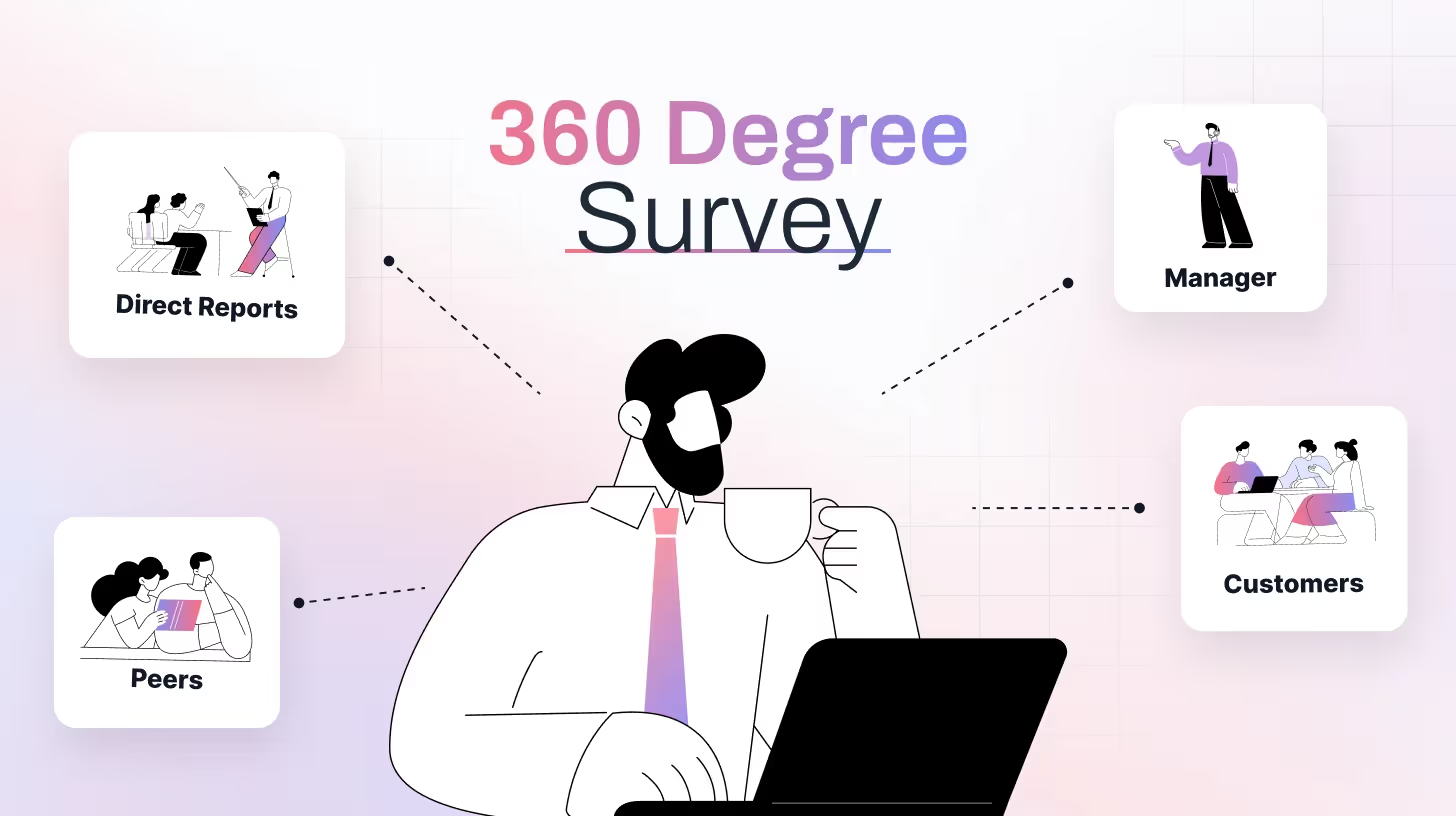
What is a 360-degree survey, and why do so many organizations rely on it for employee development?
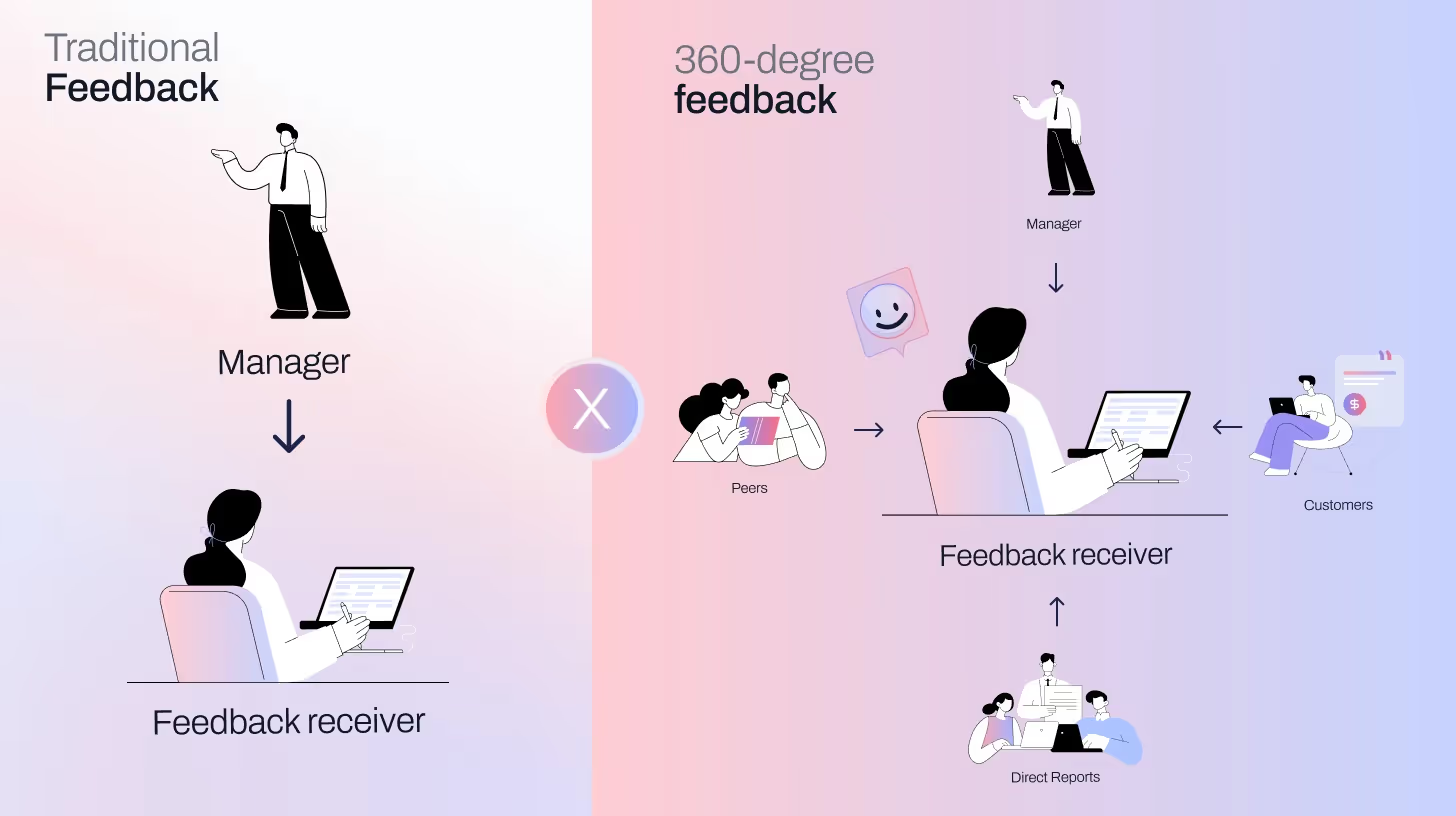
A 360-degree survey is a structured feedback method used to evaluate employee behaviors, skills, and leadership effectiveness through multiple perspectives. Instead of relying on a single manager’s review, a 360-degree feedback survey collects anonymous input from peers, direct reports, managers, and sometimes clients to create a well-rounded view of performance.
In this guide, we explain what a 360-degree survey is, how it works, its key benefits, best practices, and real-world examples. You’ll also learn how to design and run effective 360 surveys that support meaningful employee growth in 2026.
TL;DR
- A 360-degree survey (also called a 360-degree feedback survey or multi-rater feedback) collects anonymous input from managers, peers, direct reports, and sometimes clients to support employee development.
- It focuses on behaviors, communication, leadership, and collaboration, rather than just performance metrics or KPIs.
- Organizations use 360-degree feedback to increase self-awareness, develop leaders, and build a strong feedback culture.
- The most effective 360 surveys are short, behavior-based, confidential, and followed by coaching or clear development actions.
- To run high-quality 360-degree surveys, organizations increasingly rely on TheySaid, which uses conversational AI to collect more honest feedback and automatically surface actionable insights without manual analysis.
- When used consistently, 360-degree surveys help teams turn feedback into measurable growth, stronger leadership, and continuous improvement.
360 Degree Survey Definition (Quick Answer)
A 360-degree survey is an employee development tool that collects confidential feedback from multiple workplace relationships to assess communication, collaboration, leadership, and interpersonal behaviors.
What is a 360 Degree Survey?
A 360-degree survey, also known as a 360 review or 360-degree feedback, is a process of gathering feedback from multiple sources. The main purpose of a 360-degree survey is to give employees a well-rounded view of how people at different levels of othe rganization perceive them.
Typically, it consists of a bunch of questions grouped under key skill areas, like leadership, communication, or collaboration. As responses come in, the feedback is analyzed and then presented to employees.
Who typically participates in a 360 survey?
- Self — the person being assessed
- Manager — their direct supervisor
- Peers — colleagues or team members
- Direct reports — employees they manage
- Others — clients, partners, or cross-functional collaborators (optional)
What Does a 360 Degree Survey Measure?
A 360-degree survey measures how employees show up at work, not just what they deliver. Instead of focusing on outputs or KPIs, a 360-degree feedback survey evaluates observable behaviors, interpersonal skills, and leadership qualities that shape day-to-day collaboration and performance.
What makes 360-degree feedback especially valuable is its multi-rater perspective. By gathering input from managers, peers, and direct reports, organizations can identify consistent behavior patterns across different working relationships. This makes insights more credible, balanced, and actionable than single-source reviews.
While every organization may customize its survey, most 360-degree surveys assess a core set of competency areas:
Key Competencies Measured in a 360 Degree Survey
Emotional Intelligence (EQ)
Do you stay calm and composed in challenging situations? How does your body language affect others? EQ is one of the most predictive factors of leadership attention. It uncovers how empathetic, approachable, and helpful others find you in a workplace.
Communication Skills
Do you listen well? Do other people feel heard when talking to you? 360-degree feedback pinpoints whether your communication style builds connections or creates confusion and friction.
Collaboration and Teamwork
Some people lead alone; others build bridges.360-degree surveys help reveal how well someone works within a team, whether they build trust, create a sense of inclusion, and are seen by others as a supportive, collaborative teammate.
Accountability and Dependability
Do you follow through on commitments? Can your team rely on you when things get tough? 360 surveys often highlight whether you’re seen as someone who gets things done, or someone who drops the ball or over-promises.
Leadership & Decision-Making
It measures how well you resolve conflicts and handle uncertain conditions even without having a formal leadership title.
Growth Mindset and Openness to Feedback
Do you seek feedback and adapt? Or do you get defensive? This area can be eye-opening; it shows whether you're perceived as coachable, eager to grow, or someone who resists change.
Benefits of 360 Degree Feedback
Organizations use 360-degree feedback because it provides deeper, more balanced insights than traditional performance reviews. By collecting input from multiple workplace relationships, a 360-degree feedback survey helps employees understand how their behavior is perceived across teams and roles.
Here are the key benefits of using 360-degree feedback surveys:
Supports personal and professional development: It's hard to grow without knowing what others think about you. 360-degree feedback gives employees a clear picture of their strengths and weaknesses so they can take ownership of their development.
Increases self-awareness: Self-awareness is a first step towards meaningful change. 360-degree feedback provides a record for employees to stay conscious of their behaviors and actions.
Builds stronger leaders at every level: Sometimes, authentic leadership shows how someone steps in during a tough moment, helps teammates stay focused, or makes smart calls under pressure. A 360 survey can highlight those everyday actions that often go unnoticed and help identify people ready to take on more.
Provides a more balanced view than traditional reviews: 360-degree feedback brings in voices from all around you, teammates, direct reports, and even cross-functional partners. That makes the feedback fairer, grounded, and more useful.
Encourages a Feedback culture: When feedback flows in every direction, it becomes normal, not awkward. Teams that regularly use 360 surveys often find that people become more open, more receptive to feedback, and more invested in each other’s growth.
Recommended read: 360-Degree Feedback Survey: Benefits, Best Practices, and Examples
360-Degree Feedback vs. Traditional Performance Reviews
Unlike annual performance reviews that focus on outcomes or KPIs, 360-degree surveys focus on how work gets done. They surface insights around communication style, leadership presence, teamwork, and accountability that are often invisible in standard reviews.
For this reason, 360-degree feedback is most effective when used for growth and development, not compensation or promotion decisions.
Create powerful 360-degree surveys with TheySaid, the world’s first conversational AI platform for feedback that actually talks back.
Recommended Read: Your Guide to 360 Degree Evaluation Questions and Performance Reviews
How to Design an Effective 360 Degree Survey (8 Steps)
Designing a 360-degree survey requires more than writing a list of questions. To generate feedback that leads to real growth, not just another HR report, surveys must be intentional, focused, and built around development.
Here’s a step-by-step approach to designing a 360-degree feedback survey that delivers meaningful, actionable insights.
1. Define the Goal
Start by explaining why you are conducting the survey. Whether it’s to nurture leadership skills, improve collaboration, or support personal growth, your “why” will shape your questions, your raters, and how you share results.
2. Choose Core Competencies
Narrow it down to what really matters. Pick 6–10 key areas like communication, teamwork, accountability, or decision-making. These competencies should reflect the values and success behaviors your organization wants to cultivate.
3. Write Clear, Actionable Questions
Good feedback starts with good questions. Each one should be specific, observable, and tied to real behaviors, not personality. For example:
Bad question: Is this person a good team player?
Good question: How often does this person offer help to colleagues without being asked?
4. Invite the Right Mix of Raters
More perspectives = better insights. Include managers, peers, direct reports, and the person themselves. The result? A richer, more honest picture of how someone shows up at work.
5. Keep It Short and Meaningful
No one wants to sit through a 60-question survey. Keep it focused with 10 to 20 questions that get to the heart of the matter. Use a simple scale (like "Rarely" to "Always") and include optional comment boxes for extra insights. This way, feedback is quicker to give and easier to act on later.
6. Use a Trusted, Private Platform
Anonymity is non-negotiable. People need to know their feedback is safe and confidential. Use a platform (like TheySaid) that guarantees privacy and turns raw feedback into clear, digestible insights, no spreadsheets required.
7. Share Feedback With Context
Don’t just send a report and walk away. Make time for 1:1 discussions or coaching sessions. Help the person unpack the feedback, ask questions, and connect it to real goals.
8. Tie Feedback to Growth, Not Just Reports
Feedback should fuel action. Encourage people to set a few small, clear goals based on their results, and check in regularly. The power of 360 feedback isn’t in the answers; it’s in what people do next.
Recommended read: 15 top 360-degree feedback software
How Often Should 360 Surveys Be Used?
It depends on the purpose and the pace of change you aim for, but ideally, they should be conducted every 6 to 12 months. This timeline gives employees enough time to focus on their development plans and allows managers and employees to have meaningful discussions about progress and address any concerns.
For 360 feedback to lead to real change, employers must actively help employees stay on track. Leaders should regularly check in on progress over the 6—to 12-month period, offering guidance, answering questions, and providing coaching along the way.
How Do You Deliver 360 Survey Results?
Start with a private one-on-one meeting where employees can review the results with the manager, HR, or a coach. Remember, the goal is not to judge but to learn; keep the conversation open, safe, and constructive.
Here are a few best practices:
Start with strengths: This approach highlights employees' strengths to boost confidence and set a positive tone.
Frame areas of growth as opportunities: Use the feedback to identify actionable areas to improve, keep your focus on development, not criticism
Use visuals and summaries: Highlight patterns across different feedback sources. Heat maps, bar graphs, or grouped themes can make insights easier to digest.
Set goals together: Co-create a development plan with clear next steps. This keeps the feedback relevant and encourages accountability.
Run Better 360 Degree Surveys with TheySaid
With TheySaid, running 360-degree surveys is straightforward. Our AI-powered conversational platform makes it easy to gather honest feedback from everyone you work with, managers, peers, and team members in a natural and approachable way.
You’ll get personalized questions tailored to each role, ensure anonymity to encourage honest responses, and receive clear, actionable insights without the complexity of spreadsheets or confusing reports.
As one of the best 360-degree feedback service software options for development-focused teams, TheySaid helps organizations turn feedback into meaningful conversations and long-term growth.
If you’re ready to make feedback more meaningful and actionable, start your first 360 survey with TheySaid today. Book a demo!
FAQs
What is a 360-degree survey best used for?
A 360-degree survey is best used for employee development, leadership growth, and improving soft skills such as communication, collaboration, and accountability. It is designed to increase self-awareness and guide development conversations rather than evaluate compensation or promotions.
How many raters are needed for an effective 360-degree survey?
Most organizations use 6 to 12 raters for an effective 360-degree survey. This typically includes a manager, peers, and direct reports. The goal is to gather balanced perspectives without overwhelming participants or diluting feedback quality.
How long does it take to run a 360-degree feedback survey?
A 360-degree feedback survey usually takes 1 to 2 weeks to complete, including feedback collection. Setup and analysis time depends on the tool used, but modern 360-degree feedback software can significantly reduce manual work and speed up insights.
What is the best 360-degree feedback software?
Several tools are commonly used for 360-degree feedback surveys, including platforms like TheySaid, Qualtrics, and SurveyMonkey.




.svg)