


Traditional surveys have been the standard of feedback for decades. From paper forms and email surveys to focus groups and telephone calls, businesses have relied on them to understand their customers. They used to work, and while they worked well in the past, today’s fast, technology-driven world exposes their limits. People don’t always respond, typed answers are often short or vague, and in-person surveys are time-consuming and costly.
AI voice surveys change the way businesses collect feedback. By allowing users to speak instead of typing, these surveys capture authentic, detailed customer insights while leveraging AI speech-to-text analysis and sentiment detection.
TL;DR:
AI voice surveys let people speak naturally instead of typing, delivering richer, more honest, and emotionally nuanced feedback. They boost response rates, capture deeper insights through tone and sentiment, and save teams hours with automatic transcription and analysis. For businesses struggling with low engagement and shallow surveys, AI voice surveys offer a faster, more human, high-impact way to understand customers and employees.
What is an AI voice survey?
An AI voice survey is a type of voice-enabled feedback tool that collects responses from customers and employees through natural conversations. The responses people speak automatically are converted into text using speech-to-text technology, and the AI then analyzes them to identify common themes, sentiment, and actionable insights.
Read - Employee Voice Survey: Definition, Examples, and Best Practices
7 Key Benefits of AI Voice Surveys
Now that we know what an AI voice survey is, let’s explore why they are so powerful and how they can transform voice feedback collection.
1. More natural and honest feedback
When an AI voice survey asks a question, people answer instantly. There’s no time to overthink, just like in a real conversation.
This instinctive response gives candid feedback from customers and employees, capturing what they truly think. By turning spoken words into voice feedback data, you get insights that are much richer than typed answers.
AI voice surveys can generate 3× higher response rates compared to traditional email or SMS surveys. Source
2. Gather more detailed responses, faster
Typing long answers can be a chore. With voice surveys, people can explain themselves freely, saying 5x more than they would type in the same time. This leads to in-depth insights and elaborated responses, giving your team actionable intelligence without extra effort.
3. Perfect for busy and mobile users
Speaking is faster than typing, especially on mobile devices. AI voice survey tools let participants respond while commuting, walking, or multitasking.
That convenience means higher participation rates and more real-world feedback from people who might skip traditional surveys.
4. Capture emotion, tone, and sentiment
AI voice surveys do more than record words; they analyze tone, pauses, excitement, and frustration.
By combining speech recognition survey technology with sentiment analysis, you gain emotional context and expressive insight for customer experience (CX) and employee experience (EX) that text alone can’t provide.
Studies show voice surveys can capture 67% more emotional nuance than text-based surveys, giving richer insights into customer feelings. Source
5. Collect unstructured, open-ended insights
Unlike multiple-choice surveys, AI-powered voice feedback allows people to share stories, examples, and suggestions.
This leads to unexpected insights, revealing opportunities to improve products, services, or workplace processes.
Voice feedback allows participants to share anecdotes and narratives, uncovering insights that structured surveys often miss.
6. Scale personal conversations efficiently
One-on-one interviews are great for detailed feedback, but time-consuming. Voice surveys let you scale personal interviews to hundreds or thousands of respondents, without losing the human touch.
You get the depth of individual conversations while reaching large audiences quickly.
7. Flexible for global audiences
AI voice surveys support multiple languages, accents, and dialects.
Participants can answer naturally in their preferred language, giving consistent, high-quality insights across regions. This makes it a perfect tool for global businesses looking to collect voice feedback efficiently.
Read - Voice of Customer (VoC) Surveys: Types, Benefits & Success Strategies
Read - 60 Voice of Customer Survey Questions to Improve Customer Experience
How AI Voice Surveys Helped a Tech Company Boost Customer Feedback and Satisfaction
A mid-sized SaaS company was struggling with something many teams can relate to: customers just weren’t engaging with their feedback surveys. Response rates were low, answers were short, and the team had no clear picture of why churn was creeping up.
They switched to AI-powered voice surveys using the TheySaid platform.
That one change made a huge difference.
Within a month, survey completion rates jumped 45%, and the number of rich, detailed responses tripled. For the first time, the team could hear the real context behind customer frustrations, tone, emotion, and the “why” behind every score.
Armed with those insights, they revamped their onboarding experience and smoothed out issues in customer support.
The results?
- 12% drop in churn
- 20% increase in overall customer satisfaction
If you’re dealing with the same challenges (low survey engagement, shallow feedback, or rising churn), AI voice surveys might be the simplest way to turn things around. Sign up and create a free AI voice survey.
Recommended Read: AI Survey Generator: The Future of Smarter, Faster Feedback
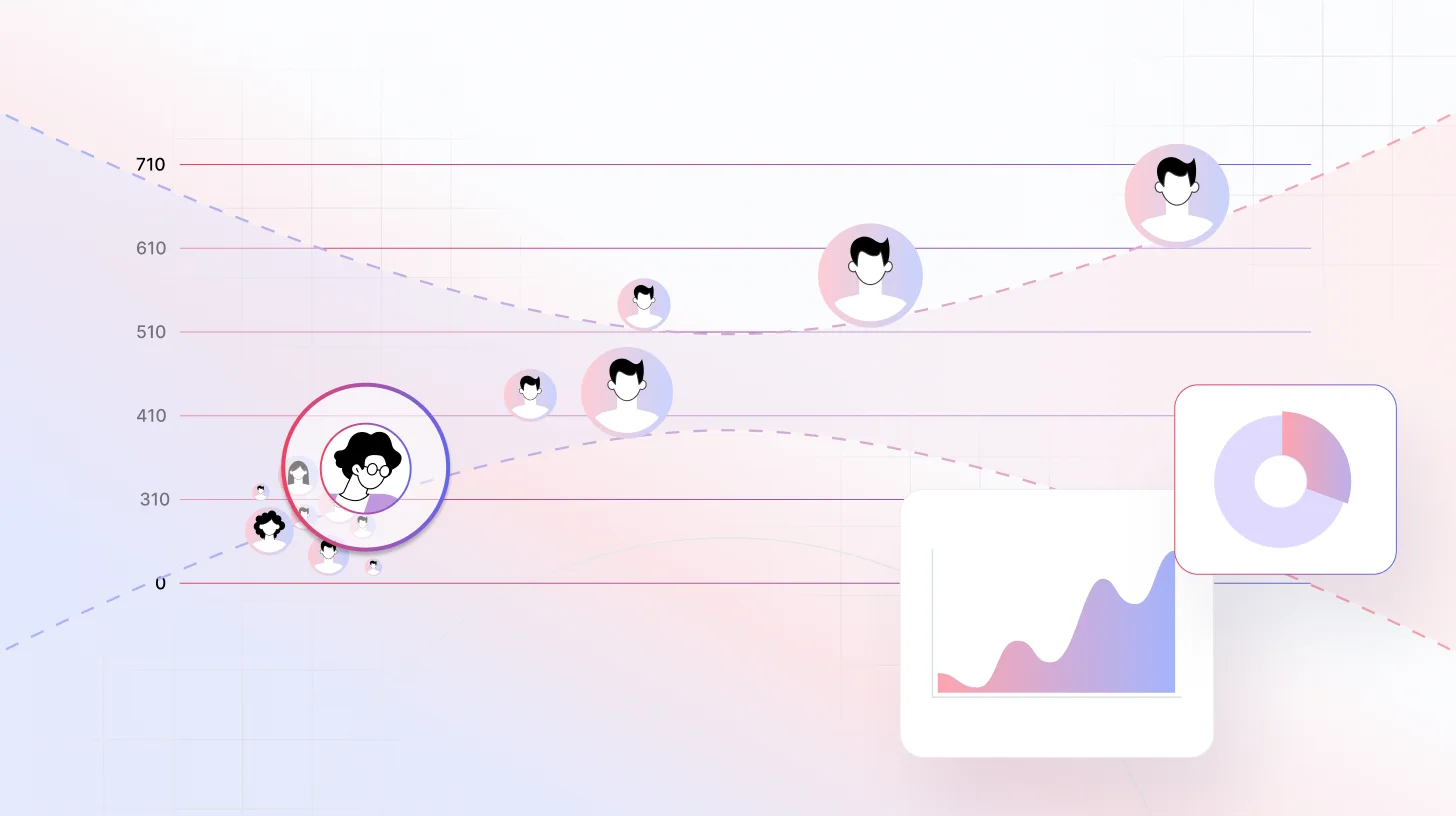
Why AI Voice Surveys Outperform Traditional Surveys
Here’s a quick overview of how traditional surveys compare to AI voice surveys. See why voice-based feedback is becoming the preferred choice for richer, faster, and more actionable insights.
How TheySaid AI Voice Surveys Capture and Analyze Responses
Creating AI voice surveys with TheySaid is simple and very fast. You can start by importing an existing survey or entering a URL from your website, then let the AI turn it into a voice-enabled survey in minutes. From there, AI handles all (capturing responses, transcribing them, and analyzing the results).
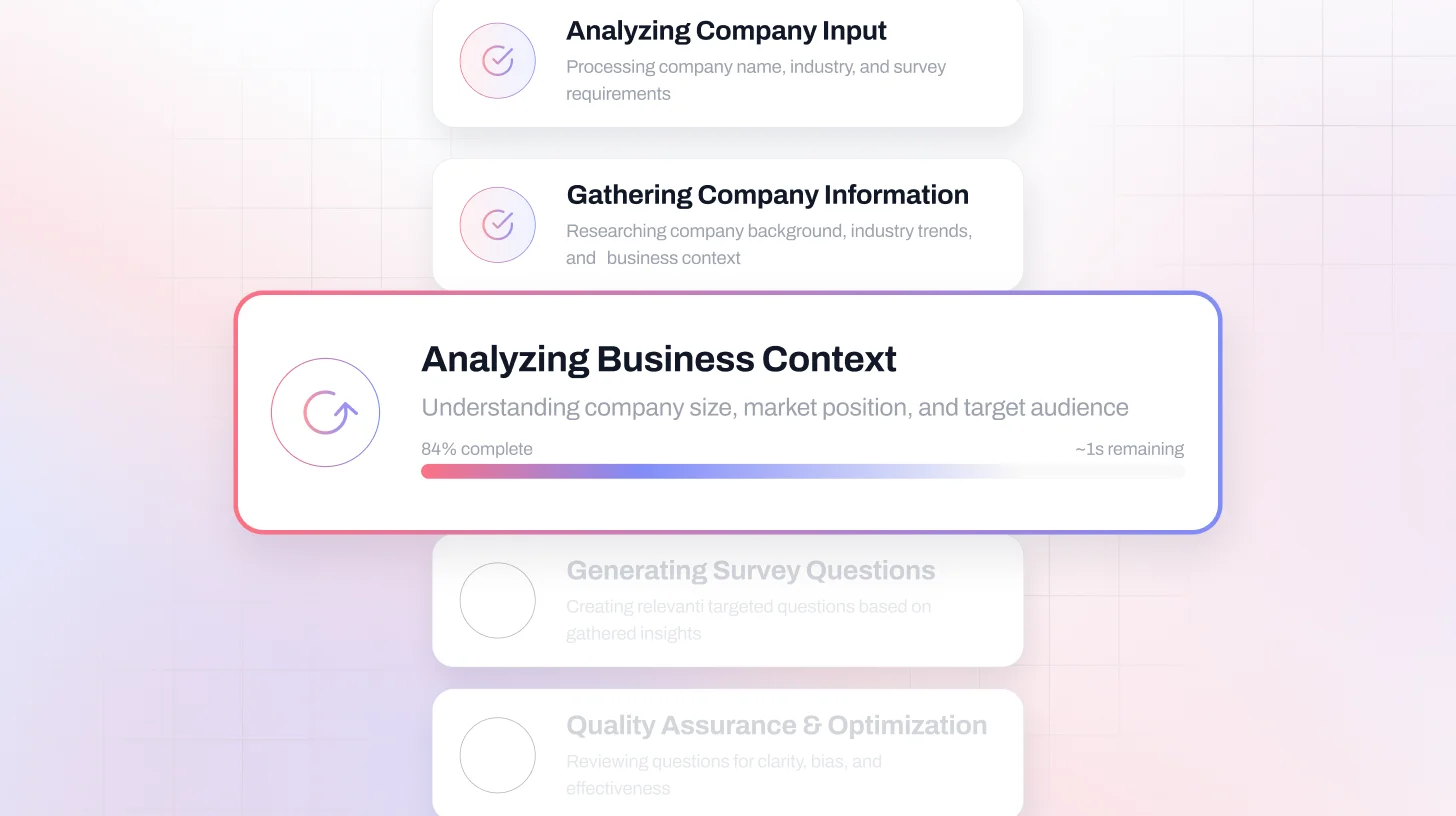
Turn on voice responses with one click
No matter what you’re running, an AI Chat, AI Form, AI Poll, or AI User Test, you can enable voice responses instantly. Your participants just speak their answers, and the AI takes care of the transcription for you.
Let participants talk naturally
All they have to do is tap the microphone icon and start talking. Because it feels like a real conversation, people tend to open up more and share longer, more honest feedback. The AI picks up on tone, emotion, and emphasis, giving you richer insights than typed answers ever could.
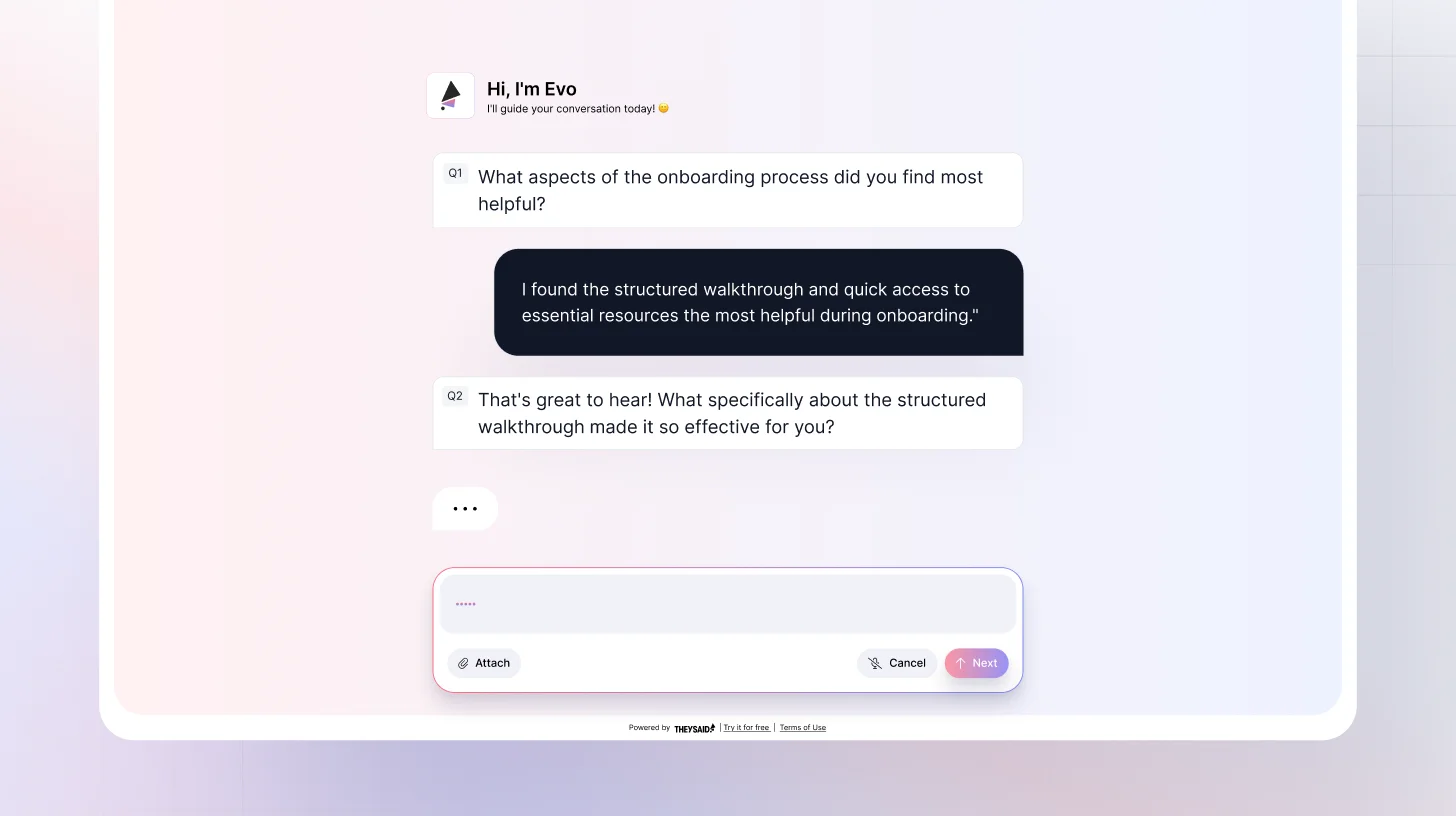
Turn voice feedback into meaningful insights
Once a participant speaks, the AI converts everything into text on the spot. It then analyzes sentiment, key themes, and patterns—and automatically adds everything to your dashboard. You get clear, actionable insights, just as reliable as written feedback, but far more detailed.
Sign up for free with TheySaid, create your first AI voice survey, and start collecting authentic, detailed feedback.
Read - AI Voice Surveys vs Traditional Surveys: Which Delivers Better Feedback?
FAQs
What types of projects support AI voice surveys?
AI voice surveys can be used across AI Chat, AI Forms, AI Polls, and AI User Tests. Any question type in these projects can accept spoken responses, giving you richer, more natural feedback.
How accurate is the AI transcription?
TheySaid’s speech-to-text technology provides highly accurate transcription, even with different accents, speaking speeds, or background noise. The AI also maintains context to ensure your insights are reliable.
Can participants switch between voice and text input?
Yes. Respondents can toggle between speaking and typing at any point in the survey, depending on their preference, environment, or the type of question.
How does voice feedback enhance survey analytics?
Voice responses receive the same AI-powered analysis as text responses. The added benefit is that spoken answers often contain more context, emotion, and detail, resulting in deeper insights.
Can the AI ask follow-up questions using voice?
Absolutely. In conversational formats, the AI can speak questions aloud and listen for voice responses, creating a natural two-way interaction. Participants can even say “next” to move through questions hands-free.




.svg)